 EN
EN
Marine-Grade Aluminum: The Most Durable Choice for Coastal Outdoor Pergolas
Why 6063-T5 Aluminum Exhibits Greater Resistance to Saltwater Corrosion than Ordinary Alloys
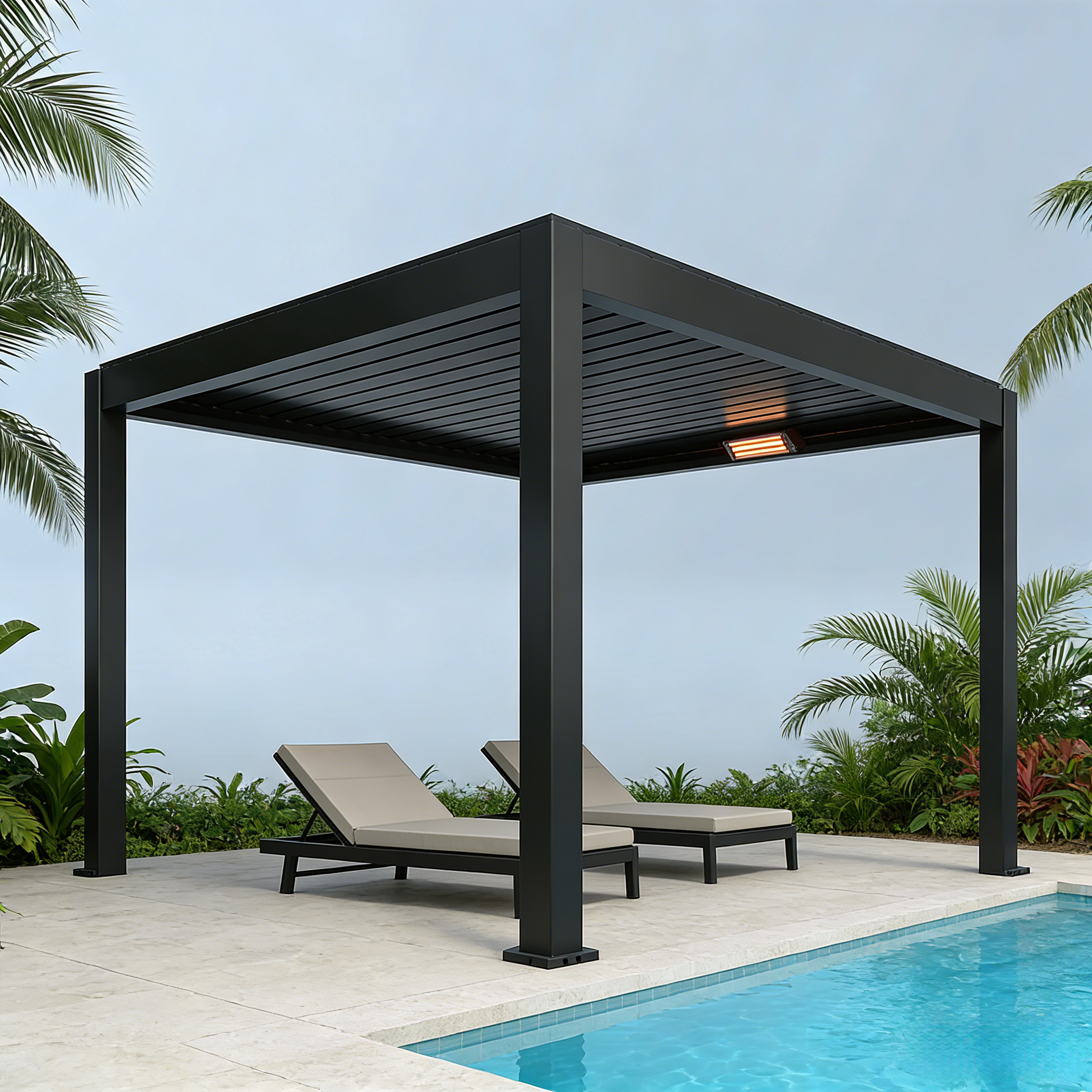
Outdoor pergolas located in coastal areas are exposed to salt for extended periods of time, which significantly accelerates the corrosion of aluminum alloys, including 6063-T5. The 6063-T5 aluminum alloy has a unique formulation of magnesium and silicon, which results in the formation of a protective oxide layer that is several microns in thickness. This oxide layer self heals and thereby reduces the rate and degree of salt penetration through the layer. This is the case despite the presence of scratches. Most commonly used alloys, such as 6005, will exhibit 3x the degree of pitting corrosion as a result of exposure to the same standard ASTM B117 salt spray test. 6063-T5 performs structurally after being exposed to the ocean air for several years. The T5 tempering process enhances the stability of the alloy's crystal structure, which also enhances its resistance to cracking when exposed to humid environments. The results from field studies and research show that these aluminum structures exhibit roughly 95% of their original strength after enduring a full 20 years of service, including actual installation at beachfront sites. The longevity of these structures also demonstrates that advanced coastal applications for these aluminum alloys far exceed typical aluminum alloy applications.
Why expensive hardware and double powder coating is required
The key to great corrosion resistance is great protection in multiple layers. We still need to protect all surfaces and ensure all hardware is working together and aluminum is coated with corrosion resistant powder. The ideal way to achieve that is with a dual powder coating system. Start with a primer that is a moisture barrier and adheres to metal and finish with a cap coating that is polyurethane and is resistant to moisture and UV. This combination provides a barrier to the elements that meets the rigorous AAMA 2605 standards. Around joints and corners a single coat just won’t do with exposure to coastal conditions. What about the hardware? Only 316 stainless with that special molybdenum addition can handle salt air, otherwise you will have hardware that is made out of 304 stainless which will begin to rust 5 times faster due to corrosion. Be careful of aluminum frames that have been fastened with lower grade stainless because it will begin to corrode due to the chemical reaction that is caused. Always look for double coating and 316 grade hardwares, otherwise you can expect to have half the lifespan.
Options for Coastal Outdoor Pergolas that Resist Rot
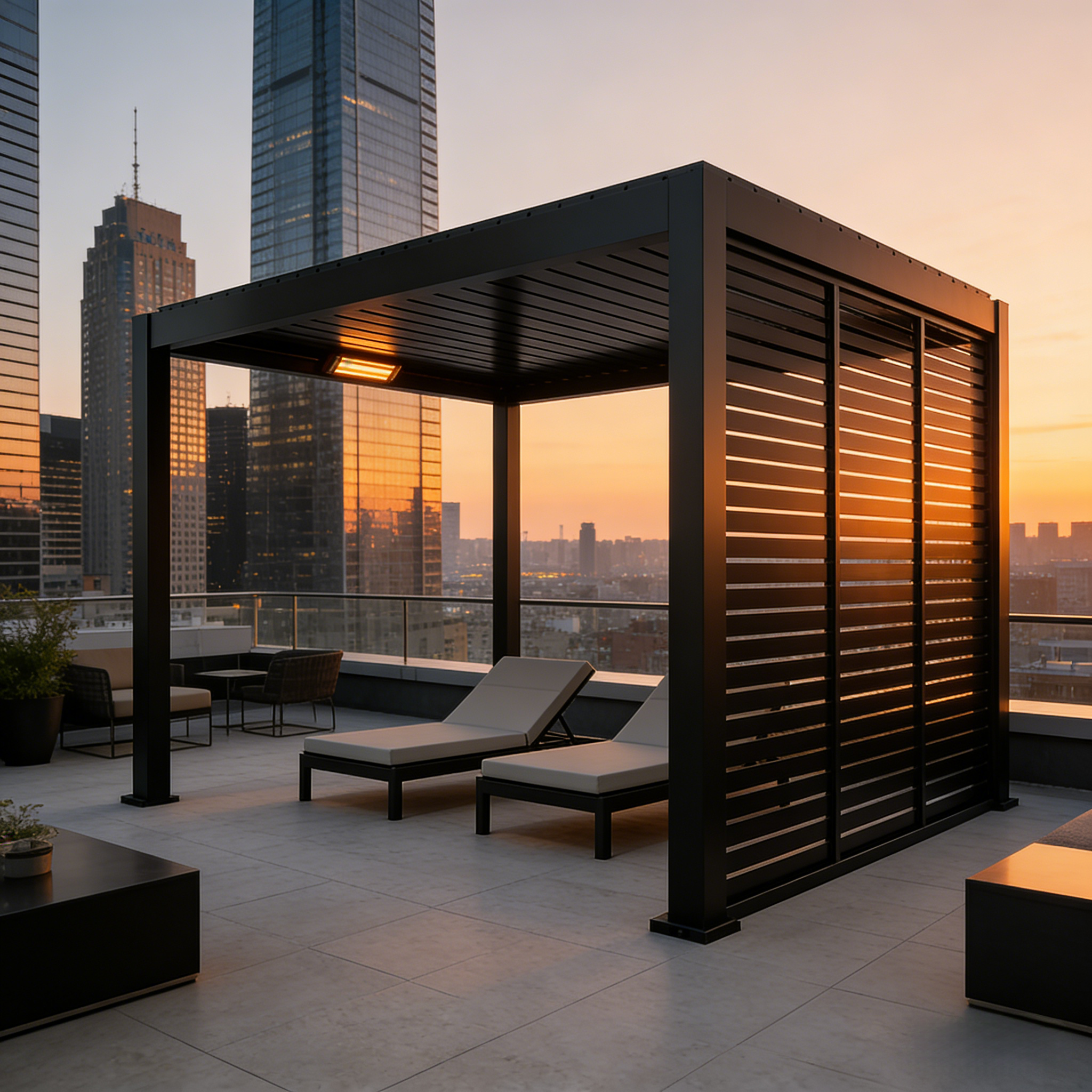
For outdoor pergolas located in coastal environments where there is salt-laden humidity, selecting naturally durable timber is important. There are many different levels of moisture-resistance, most notably Western Red Cedar, Redwood, and Douglas Fir. Even so, in terms of performance in real world marine applications, there are significant differences. The differences are documented in the table below.
Timber Type Salt-Air Performance Key Limitation
Western Red Cedar Highest natural decay resistance Requires periodic sealing against salt aerosols
Redwood Excellent moisture repellency Prone to surface checking under high UV exposure
Douglas Fir Outstanding structural strength Open grain absorbs salt; preservative treatment is mandatory
Western Red Cedar, Redwood, and Douglas Fir: Performance Comparison in Salt-Air Humidity
Western Red Cedar’s natural decay resistance offers excellent fungal resistance; that is why Western Red Cedar has become the most sought after timber for areas with high humidity environments. Redwood offers moisture resistance, but is also susceptible to surface cracking and graying from UV exposure. There are no other timbers that outperform Douglas Fir’s capacity to support high loads. However, with moisture absorption in Douglas Fir, it is best to pressure treat it when near coastlines. ACQ treatments or treatments with micronized copper work best. Douglas Fir absorbs about 30% more moisture than other untreated woods. This leads to rapid decay and corrosion of fasteners due to the high salt concentration from the coastal air.
Studies done for maritime timber done in 2024 discovered that when Douglas Fir and cedar are placed in coastal environments that are humid and untreated, Douglas firs break down 40% faster than cedar.
How Salt Aerosols Speed Up Timber Degradation and Why Treatment Is Mandatory
Oceans are salty and so is the air that surrounds them, and so when ocean air meets wood, salt is absorbed and retained in the wood and over time the wood becomes 30% wetter than before, and so the state of the wood becomes much more conducive to the start of the rotting process. After some time three principle issues begin to occur ad infintum. The first of which is the wood expands such that whatever its finish, if of good quality, will start to crack and peel. The next, the faster than normal corrosion of the metal screws and nails which are used to hold the wood, and more so, the enhanced and accelerated decomposition of the wood as the unplanned for organic structure begins to grow the microbes. Even the cedar which is known to have the most Weather toughness will need some protection. In present time, if you plan to build protressed structures that employ copper based treatment like ACQ to rid the timber of corrosion, then you will have have to partner this treatment with stainless-steel marine-grade cut outs and then a liquid polymer that you will have to reseal repeatedly, and if these precautions are not undertaken you will be replacing untreated cedar timber structures every 7 to 10 years because in a coastal pertinent timber decay. Once you incorporate both structural marine and architectural treatment timber, and routine maintenance you will find that treated cedar timber will last over 20 years in the most extreme coastal salt air, unlike untreated timber which will last much less.
Limitations of PVC and Composite Materials Regarding Structure and UV Exposure for Coastal Outdoor Pergolas
Thermal Expansion, Wind Load Vulnerabilities, and UV Breakdown in High Humidity Environments
When it comes to coastal permanent pergolas, PVC and wood plastic composites are simply inadequate. The expansive nature of these materials when heated, combined with humidity created by salty sea air, results in warped boards and misaligned joints. The structural integrity of the pergola is compromised. Wind becomes an added difficulty. These composite materials are also weak in tension and do not provide enough rigidity to withstand the collapse that will come with the coastal breeze blowing regularly between 15 to 20 mph. It has been shown that the bonds of these materials' polymers are broken 40% faster in salty air than in non coastal environments. According to the ASTM, during a period of 5 to 7 years, such an environment will result in brittle surfaces, dcreased impact resistance, faded colors, and small cracks. These combined attributes also reflect the fact that PVC and WPC materials will not provide a high quality pergolar for a prolonged period with low maintenance.
Maximizing corrosion prevention to maintain structural integrity for coastal pergolas
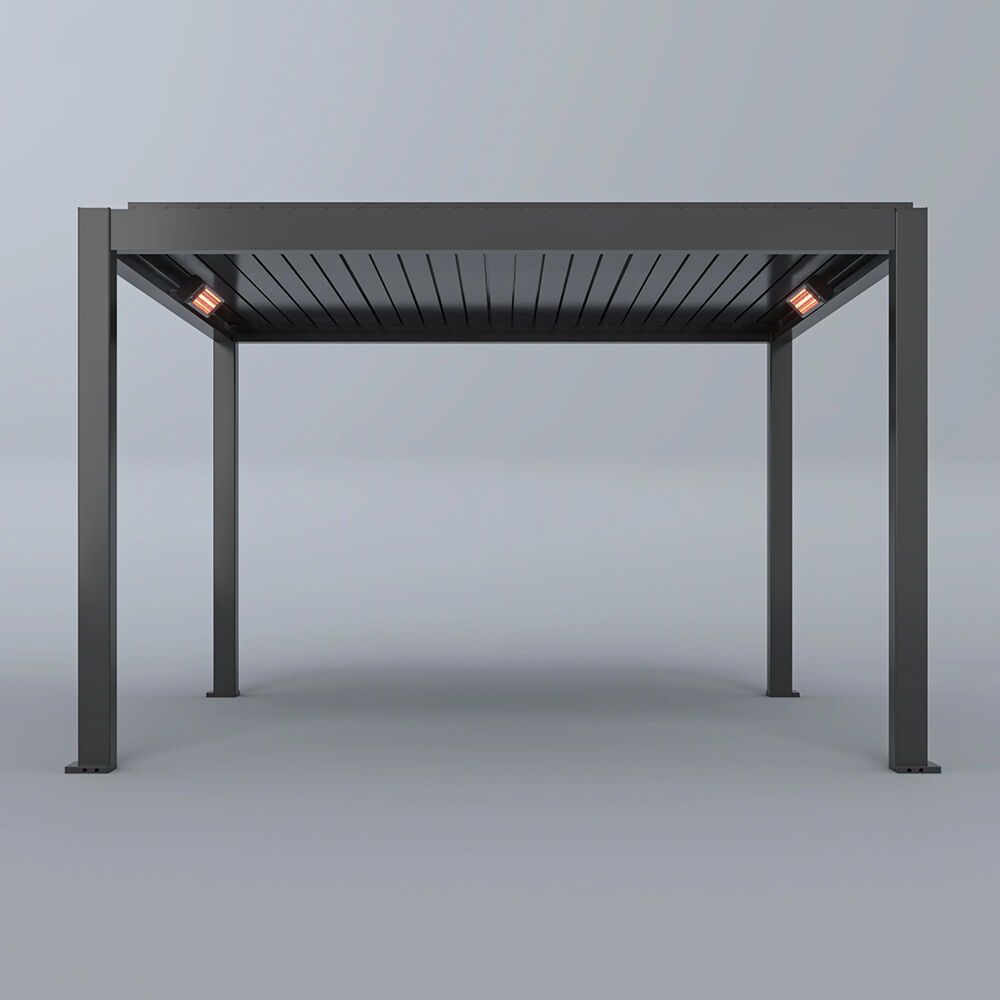
Structures built at the coast constantly face the effects of strong sun damage, moisture, and salty air. We need to use a combination of good design, smart materials, and diligent upkeep for long lasting results. Starting with the right materials, Marine grade 6063-T5 aluminum is an example of a good material choice. It is more resistant to corrosion than standard aluminum. To add to it's protection, a double layer powder coat with AAMA 2605 is an option, and for hardware use 316 stainless steel. Design is equally as important as materials. Design with a minimum of 3 degrees to prevent pooled water and promote runoff. Sealing joints, and avoiding recesses where water can stagnate and initiate corrosion is important. Upkeep and maintenance is a large factor in the preventative design of a pergola. Inspections for coated damage should happen at least every 3 months with corrections to prevent further damage. Salt crusts rapidly in coastal environments and should be cleaned as soon as possible with a non-abrasive solution. Areas with wooden parts should be coated with a UV resistant sealant every 2 years. 70% of pergolas built to these guidelines have experienced significantly less maintenance after 5 years and those with diligent owners have experienced 15 years of proper construction.
FAQ
Why is marine-grade aluminum the best material for pergolas in coastal locations?
Due to marine-grade aluminum\u2019s ability to withstand salt corrosion, 6063-T5, is ideal for coastal pergolas. Its particular magnesium-silicon alloy forms a self repairing oxide layer to withstand the strongest conditions of the sea air.
Why does aluminum pergola manufacturer use double powder coating?
Due to the extreme environments of coastal locations, double powder coating is necessary to protect the aluminum structure for as long as possible. This applies a coat of primer, then a top coat of polyurethane, and finally encapsulates the aluminum in a near impenetrable seal against moisture and salt.
What types of wood are suggested for coastal pergolas?
Recommended woods are Western Red Cedar, Redwood, and Douglas Fir. These woods contain varying levels of natural decay resistance, and structurally performance.
How can I deter timber degradation in the marine environment?
The best methods involve using naturally timber resistant to decay, pressure treatment such as ACQ, frequent re-sealing the timber, and for fasteners, using corrosion resistant methods like 316 stainless steel.
How about PVC and composites for coastal pergolas?
No, because of the poor and accelerated degradation in these environments.